ChatGPT Wallet lets dots pay with your credit card. Wrong orders still go to the store and your bank.
ChatGPT Wallet, launched November 13 for US Pro subscribers, lets dots check out on store websites after a biometric approval. Who gets it, who handles refunds, what sellers must check, and how Google, Amazon and Perplexity compare.
November 17, 2026
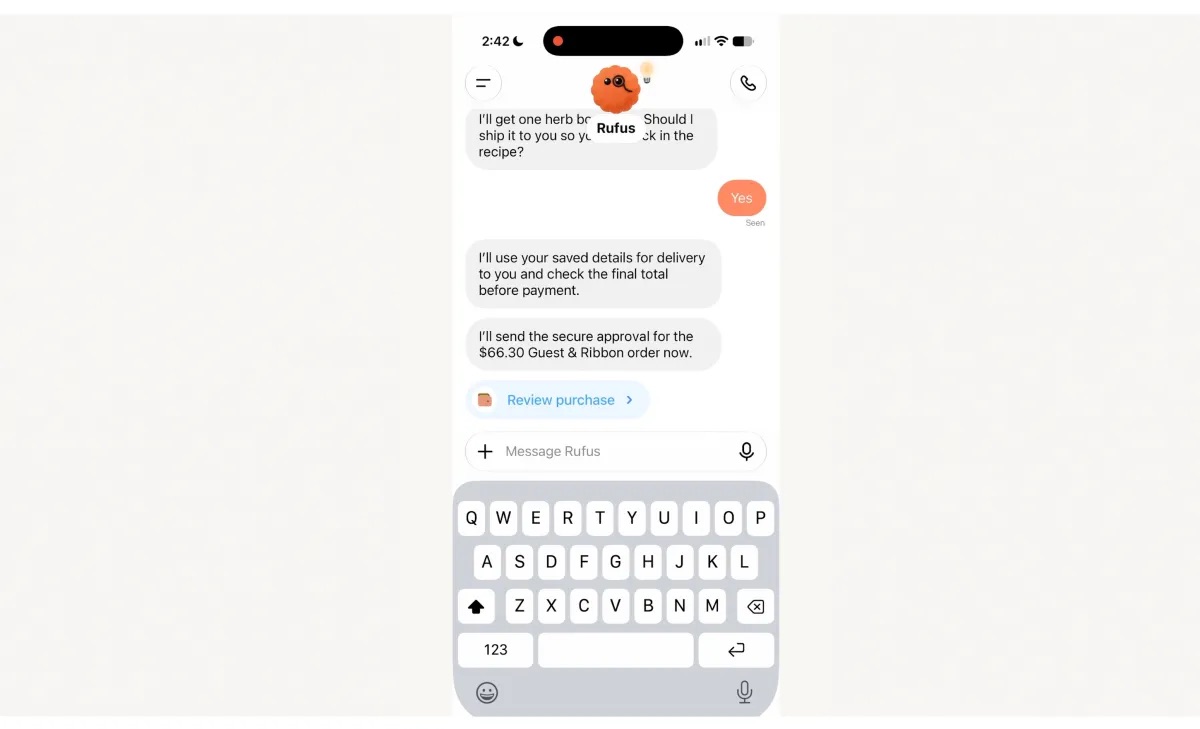
OpenAI launched ChatGPT Wallet on November 13, 2026. It stores a credit card so an agent can pay a website for you, and every purchase needs your biometric approval. OpenAI pitches it for agents in ChatGPT Work, Codex and dots, but it "will initially be available through dots for ChatGPT Pro subscribers in the US." It was built with American Express, Mastercard and Visa, and TechCrunch describes a limited rollout.
How a Wallet purchase works
Dots are the always-on agents OpenAI launched on September 29, each with its own cloud computer. A purchase goes like this:
- You add an eligible card once, then ask your dot to buy something.
- The dot shops on the store's own website through ChatGPT's cloud browser, and the store's existing checkout takes the payment.
- You review the items, the total and the card, then approve with Face ID or a fingerprint. Each approval creates a record of what you authorized.
- The card network issues a payment token in place of your card number, so neither the dot nor the store sees your card details. The store gets your shipping address and contact details.
OpenAI says purchases keep "existing card rewards and protections for eligible disputes." There is no spending cap yet. According to TechCrunch, OpenAI plans spending limits and rules by category or time period so a dot can make pre-approved purchases, with no date given.
Who gets it now
- Plan: ChatGPT Pro, sold in $100, $200 and $500 monthly tiers. Business Premium also has dots, but OpenAI names only Pro for Wallet.
- Cards: US residents 18 or older. OpenAI's help center lists US-issued American Express, Chase, Mastercard and Visa credit cards. Debit cards and, at launch, virtual cards are not supported.
- Timing: the rollout is gradual, so an eligible account may not see it yet.
- Stores: sites that let ChatGPT's cloud browser in. TechCrunch notes that some retailers block AI agents, Amazon being the largest.
If the dot buys the wrong thing
OpenAI's Wallet terms say that if a material detail changes before the order is submitted, Wallet asks you to approve again, and that approval does not confirm the store placed the order. After that, responsibility splits three ways:
- The store: order status, cancellations, returns and refunds. OpenAI's merchant guide says the business "handles the order, fulfillment, customer support, and fraud decisions."
- Your card issuer: billing errors, unrecognized charges and unauthorized transactions. Your cardholder agreement and network dispute rights still apply.
- OpenAI Support: Wallet errors and card setup problems. The terms say OpenAI does not decide or fund refunds or chargebacks unless the law requires it.
OpenAI's agent access FAQ tells merchants that "Customers are ultimately responsible for the actions they take." An item you approved by mistake goes through the store's normal return policy.
American Express goes further on paper. Its agentic commerce page describes Amex Agent Purchase Protection: when a registered agent sends Amex your authenticated purchase intent, Amex says it will protect eligible Card Members from charges where the purchase deviates from that intent, once they have started a return where possible. The page says this comes "in the future," with full terms later. The Paypers reports that Amex calls Wallet its first Agentic Commerce Experiences integration, but Amex has not said whether the protection covers Wallet purchases today.
What online sellers need to check
OpenAI says existing checkout pages work with no Wallet-specific integration. The job is making sure your security setup does not turn the dot away. From the Commerce Partner Playbook:
- Bot rules: dots arrive as cloud browser visits signed with Web Bot Auth. Akamai, Cloudflare, HUMAN and Vercel verify them automatically. Other CDNs must check signatures against keys published at chatgpt.com.
- Fraud tools: agent traffic can trip risk checks. OpenAI is relaying user signals such as country, locale and time zone in the Forwarded HTTP header, so ask your risk provider whether it reads them.
- Tokens: you get a network token, not the card number, and must not reuse it for another purchase. Subscriptions are allowed if your checkout supports recurring billing and the customer consents.
- Listings: product feeds and plugins are optional. The playbook also points to claiming a profile in Business Hub, part of the Businesses in ChatGPT beta OpenAI announced on November 10, where companies can submit feeds with pricing and availability.
Sellers cannot require a human to confirm checkout on their own site. OpenAI says it has no per-site control for that yet, but requires human review before any consequential action.
How it compares with Google, Amazon and Perplexity
- Google agentic checkout: per its Google Pay help page, you confirm a total and an agent buys with Google Pay only if the final price is the same or lower. It covers select merchants that accept Google Pay in the US and Australia. Your approval works as a price ceiling. Google's assistant is Gemini.
- Amazon Buy for Me: in Amazon's November 4 Shop Direct update, you confirm address, taxes, shipping and payment, and Amazon's AI completes the purchase on the merchant's website. Merchants join for free by submitting feeds and keep handling returns.
- Perplexity Instant Buy: its help center says US users can buy from compatible merchants without leaving Perplexity, and product or shipping questions go to the retailer.
The difference is coverage and cost. The other three work with select or participating merchants, and Perplexity offers Instant Buy to all US users. Wallet can try any site that lets the dot in, including stores that never signed up, but only for Pro subscribers. Our ChatGPT vs Perplexity comparison covers the rest.
Before you turn it on, and what OpenAI has not said
- Pick the card: with no Wallet cap, any limit has to come from your issuer, such as a lower credit line or alerts on every charge.
- Check your details: confirm the shipping address and contact details your dot will pass to stores.
- Read every review screen: size, color and quantity mistakes you approve become your returns.
- Failed purchases: OpenAI says to look for a store order confirmation before paying another way. Removing a card does not cancel purchases already made.
OpenAI has not said when spending limits arrive, or when Wallet reaches other plans, other countries, or ChatGPT Work and Codex, which are themselves being reorganized. Its merchant docs mention no fees, and it has not published a list of stores where checkout is known to work. Unlike the crypto payments in our look at x402, nothing here moves without your face or fingerprint.
Tools mentioned in this article
Some links in this article are affiliate links. Learn more.