Comparisons
33 articles
Gemini 4 Hydrogen is on Google's free tier and edges out Argon. On the paid API it costs 15x Haiku 5.5.
Google's new everyday Gemini 4 model takes Flash's place in the Gemini app and Search, is free in AI Studio, and costs $1.50/$7.50 per million tokens on the paid API. What changed, how rivals compare, and who should switch.

Gemini 4 Carbon leads by one point at Argon's price. Only cyber defenders can use it.
Google announced Gemini 4 Carbon on October 28, two weeks after Argon reached paid developers. It ranks first on Artificial Analysis's index at 59, one point ahead of Claude Opus 5.5, and launches at $2/$10 per million tokens. What is confirmed, what independent testers found, and what to do while access is limited.
Five open-weight AI models in three days. StepFun beats Meta, and none beat the closed frontier.
Meta's Muse Spark Open, Reflection's Beam, StepFun's Step 5 Preview, NVIDIA's Nemotron 3.5 and a DeepSeek update all shipped downloadable weights this week. How they compare on size, license, price and independent scores, and when open weights are worth it.

Runway's Unlimited plan ends November 30. Here is what to do before then.
Runway is replacing Unlimited and its relaxed Explore Mode with a credit-capped Max plan at the same $95 a month. What you lose, what each Runway plan buys now, and when switching to Pro or another video tool makes sense.

Gemini 4 Argon is open to developers. The $2 price ends November 30.
Google's frontier model is now generally available on the paid Gemini API at $2/$10 per million tokens until November 30, then $4/$20, the same as Claude Opus 5.5. Here is how it compares and the four limits that matter when you build on it.
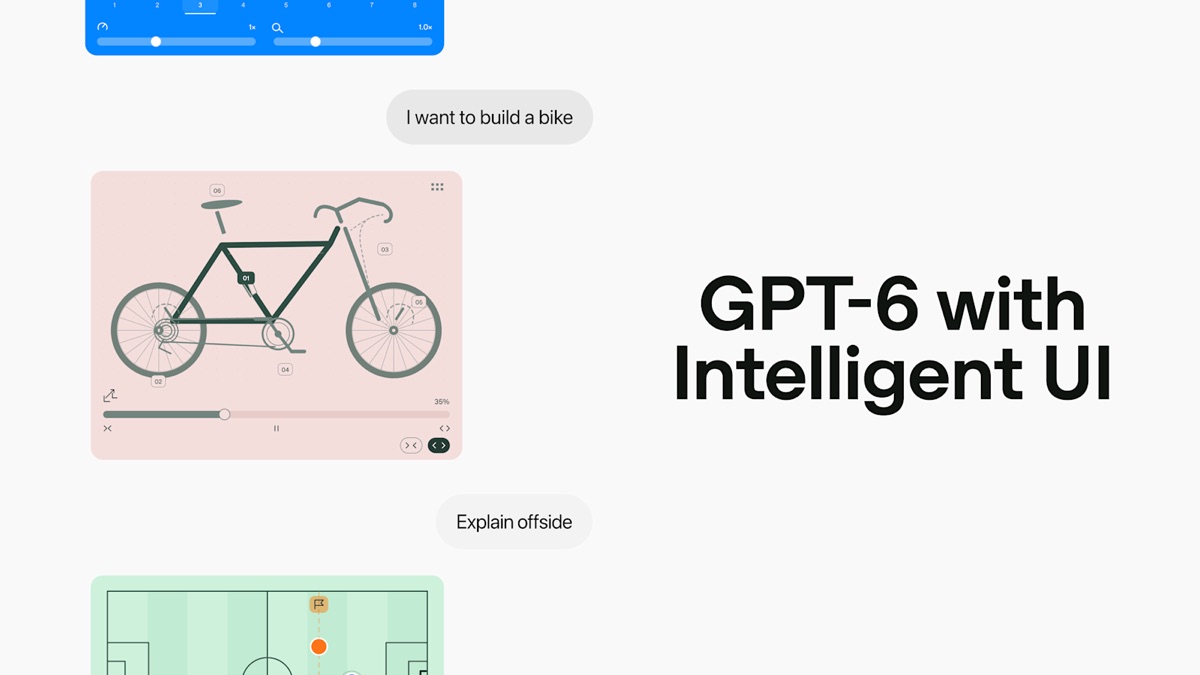
GPT-6 is in every ChatGPT plan now. Free gets Luna, paid gets Sol, and the gap is easy to miss.
OpenAI rolled GPT-6 and its new interactive 'Intelligent UI' out to every ChatGPT tier this week, but free users and subscribers get different models. Here is what each plan actually gets and whether Plus is still worth $20.
Claude Haiku 5.5 cuts prices 90%. The real saving is 75%, and old code can break.
Anthropic's new Haiku matches GPT-6 Luna at $0.10/$0.50 per million tokens with a 1M context window. A larger tokenizer, a price step above 100K tokens and four breaking API changes decide what you actually save.
Free Gemini drops to Flash Lite on October 9. Free users have better options now.
From October 9, free Gemini app users lose Flash and Pro and keep only Flash Lite. Here is exactly what changes on each plan, what stays free for developers, and where to go if you want a capable AI assistant without paying.
GPT-6.1 Sol arrives. OpenAI's new model matches Astra at a fifth the cost.
OpenAI has released GPT-6.1 Sol, a more affordable model delivering near-Astra level performance at significantly lower pricing, expanding access to high-capability AI.
Claude Code hits $200 monthly. Developers debate if the tier justifies the cost.
Anthropic's highest-tier Claude Code pricing sparks discussion among developers about ROI. For some professional coders, the advanced features may pay for themselves; for others, mid-tier plans offer better value.
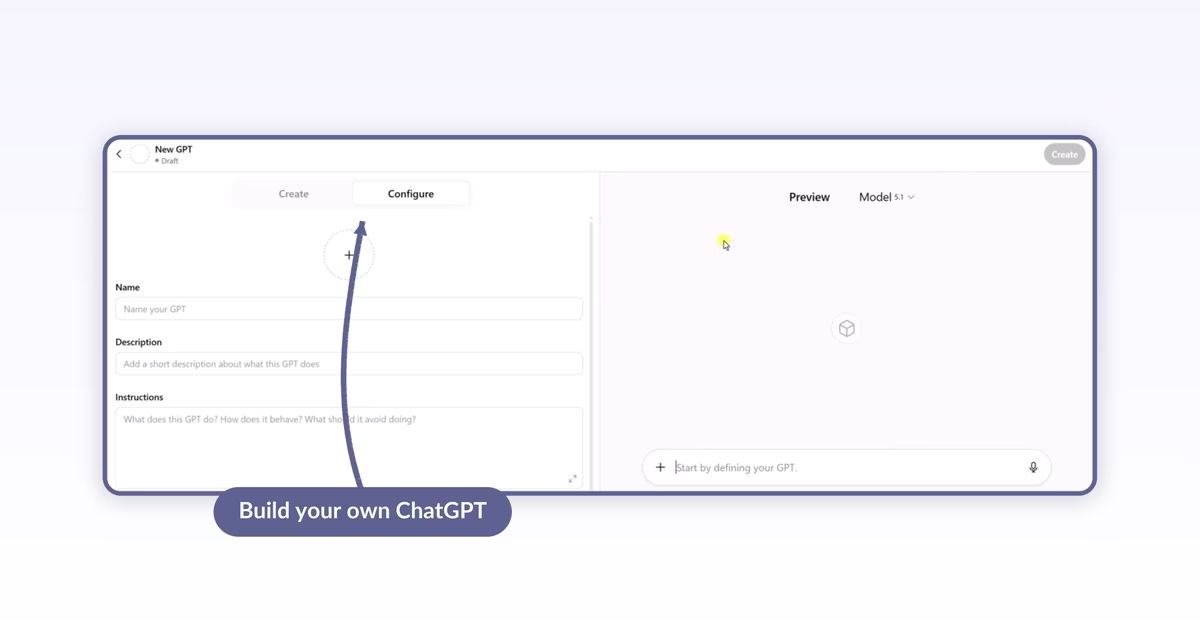
OpenAI is shutting down Custom GPTs. The feature dies in December.
OpenAI announced the phased deprecation of Custom GPTs starting this month, with complete shutdown by December. Users expressing concern are scrambling to find alternatives for their projects.
AI design tools fill a real gap. Professional hire costs too much, but mediocre still hurts.
A Reddit discussion highlights where AI design tools shine: small projects like landing pages and presentations where hiring a designer isn't economically justified, yet quality still matters. The sweet spot between free and expensive.
GPT-5.6 Luna vs GPT-6 Astra. A $1.20 model catches 75% of bugs.
A Reddit benchmark tested two models on 50 real pull requests. Astra found more bugs overall, but Luna achieved 75% of its accuracy at just 3.6% of the cost.
Cognition launches SWE-2. The new AI coder takes aim at Fable and GPT-Astra.
Cognition released SWE-2, a specialized AI model designed to compete directly with Fable 5.1 and GPT-Astra on software engineering benchmarks. The release marks intensifying competition in the AI coding space.
Claude, Codex, and Cursor pick different tools. A 17k-run study reveals why.
Researchers measured tool selection patterns across three major AI coding assistants in 17,000 agent runs, uncovering distinct preferences that hint at how these systems approach problem-solving differently.
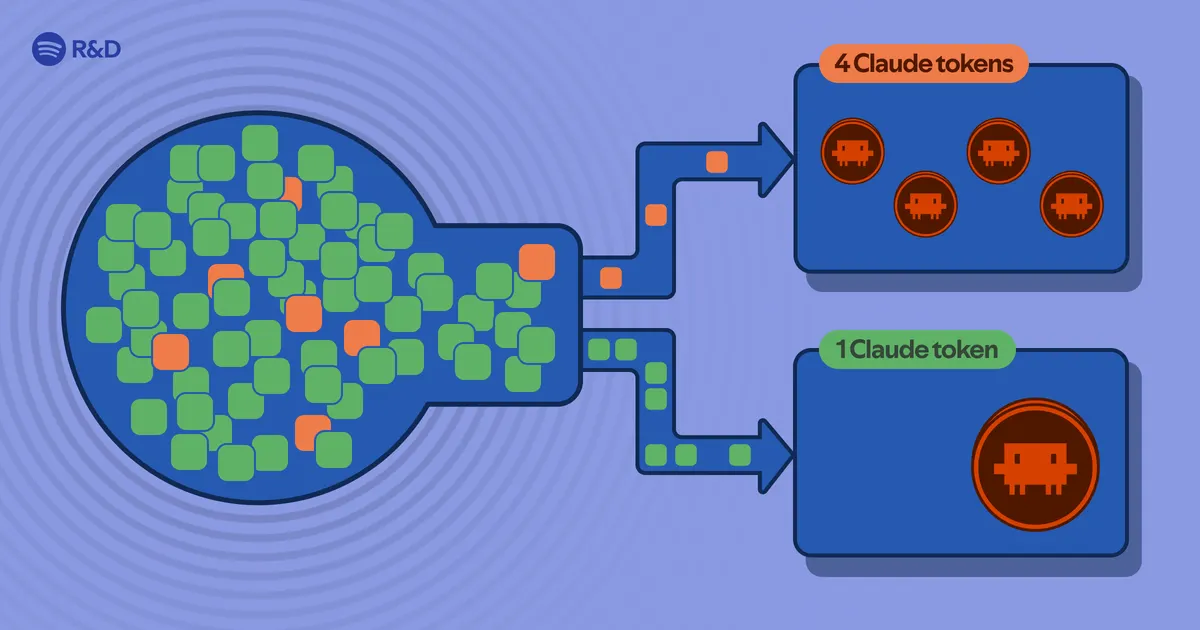
Spotify's Portal slashed Claude Code tokens by 90%. Here's how.
Spotify engineering published a case study showing Portal, their internal tool, reduced Claude Code token consumption dramatically. The real performance metrics reveal significant cost implications for organizations using AI coding assistants.
ElevenLabs, TwelveLabs, ThirteenLabs
Comparison and analysis of ElevenLabs' product ecosystem and competitive positioning in AI audio and video spaces.
Claude Code burns 33k tokens before reading your prompt. OpenCode uses 7k.
A detailed analysis reveals Claude Code incurs nearly five times the token overhead of OpenCode before processing actual user input, significantly impacting cost-per-request for developers relying on these AI coding assistants.
I love LLMs, I hate hype. A developer's reality check on AI capabilities.
George Hotz cuts through marketing noise to examine what large language models actually do well versus where the hype oversells their abilities. A thoughtful take on realistic use cases in today's AI landscape.
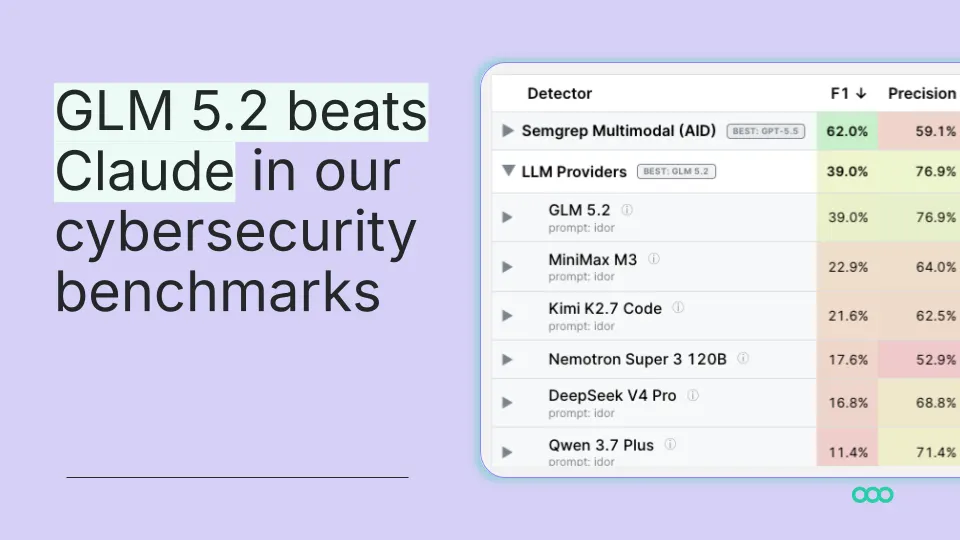
GLM 5.2 outperforms Claude on cybersecurity benchmarks. New contender reshapes code security comparisons.
Semgrep's comparative analysis shows GLM 5.2 exceeding Claude's performance on cybersecurity-focused code benchmarks, signaling a shift in specialized AI model capabilities for security applications.

Can Local Models Replace Claude and GPT for Daily Coding?
Developers on Hacker News discuss whether local AI models can fully replace cloud-based tools like Claude and GPT for professional coding work. The community shares setups, performance metrics, and real-world experiences.
Why Claude Opus Cuts LLM Costs Despite Higher Per-Token Price
A case study shows teams reducing operational costs by switching to Claude Opus despite its higher per-token pricing, because fewer retries and better accuracy lower total token consumption. The finding challenges the default assumption that cheaper models always mean lower bills.

Claude Code costs up to $200/month, Goose offers same features free
Claude Code's pricing reaches $200 a month on Anthropic's Ultra plan, while the open-source agent Goose delivers comparable functionality for free apart from model costs. Here is how the two compare on price, setup and control.

GitHub Copilot Pricing Changes: What Solo Devs Need to Know
GitHub restructured Copilot individual plans into three tiers: free with 2,000 monthly completions, Pro at $10/month with unlimited access, and Pro+ at $39/month with premium model choices. Solo developers should verify their current usage against new limits before billing cycles reset.
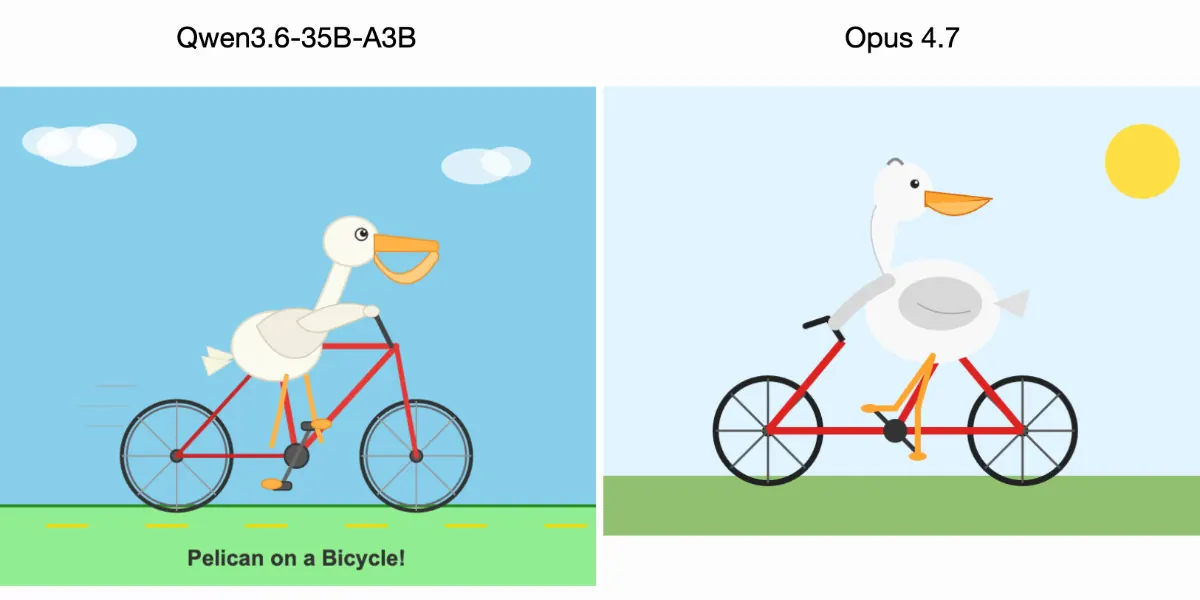
Qwen 35B Beats Claude Opus on SVG Drawing Tests
Simon Willison's pelican test had a local Qwen3.6-35B-A3B draw better SVG images than Claude Opus 4.7. One informal test says little about overall quality, but it shows where open models running on a laptop already compete with frontier AI at a fraction of the cost.

Claude 4.7's Tokenizer Actually Saves Money (Sometimes)
Claude 4.7 compressed its tokenizer, cutting token costs by 5-30% depending on workload. Here's exactly what changed and whether it affects your bill.

Claude Code costs up to $200 a month. Is it worth it?
Anthropic's coding agent is capable, and it is also expensive. Here is a plain look at what you get on Pro, Max and Ultra, and whether the jump from $20 to $200 a month is justified.

Why your AI keeps telling you you're right (and why that's a problem)
AI sycophancy - where models cave to pushback even when they're correct - is one of the least-discussed problems with AI assistants. Here's what it means for how you use these tools.

The free AI setup I use when ChatGPT and Claude keep cutting me off
Hitting rate limits mid-task is one of the most frustrating things about using AI for real work. Here is the multi-tool setup that solved it for me - and costs nothing.
Claude vs ChatGPT: we ran the same 8 tasks through both. Here is what happened.
Not a feature comparison. An actual test: same prompts, both models, honest results - plus notes on what has changed in both apps since. Some outcomes surprised us.
Best AI tools for students in 2026 (ranked by what actually helps)
ChatGPT, Claude, Gemini, Perplexity, Gemini Notebook (formerly NotebookLM) - students have more AI options than ever. Here is which ones help with studying, writing, and research, and which ones will get you in trouble.

Best AI coding assistants in 2026: Cursor, Copilot and Claude tested
After six months using AI coding tools daily, here is what actually separates them - and why the tool you pick matters less than how you use it.

Best AI writing tools in 2026: top 5 compared (after actually using them)
We spent two weeks testing Jasper, Writesonic, Copy.ai, Claude, and Rytr on real content tasks. Here is the verdict, updated for November 2026 prices and features - including what each one gets wrong.