Announcements
95 articles
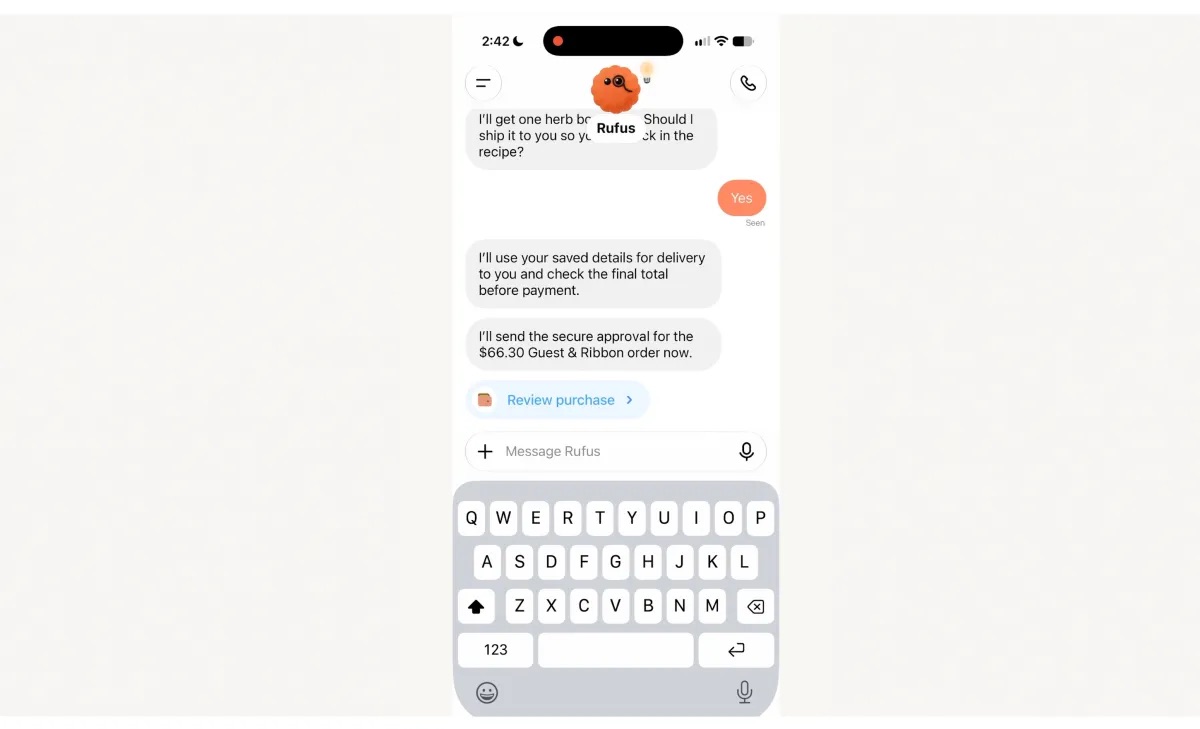
ChatGPT Wallet lets dots pay with your credit card. Wrong orders still go to the store and your bank.
ChatGPT Wallet, launched November 13 for US Pro subscribers, lets dots check out on store websites after a biometric approval. Who gets it, who handles refunds, what sellers must check, and how Google, Amazon and Perplexity compare.
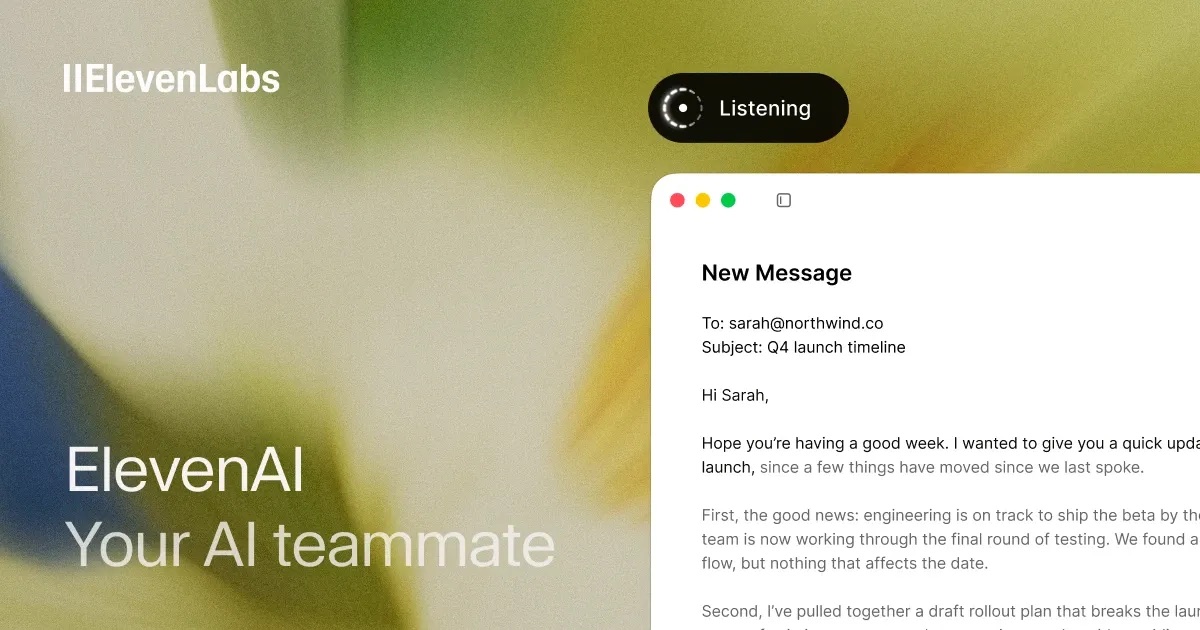
ElevenAI brings bot-free meeting notes and dictation to Macs. Its price after three free months is unknown.
ElevenLabs' ElevenAI records meetings without a bot and dictates into any Mac app in 90+ languages, free for three months in early access. How it compares with Granola, Wispr Flow, Fireflies and Otter, and what is still unknown.
Gemini 4 Hydrogen is on Google's free tier and edges out Argon. On the paid API it costs 15x Haiku 5.5.
Google's new everyday Gemini 4 model takes Flash's place in the Gemini app and Search, is free in AI Studio, and costs $1.50/$7.50 per million tokens on the paid API. What changed, how rivals compare, and who should switch.
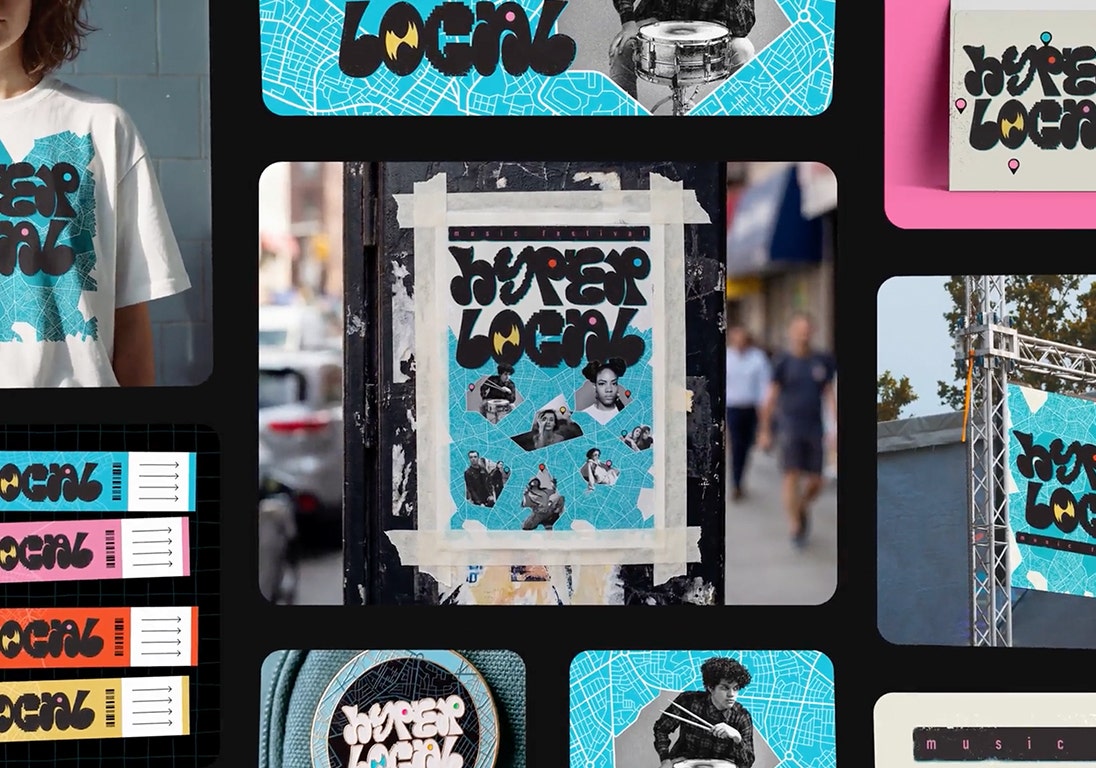
Adobe's Firefly Builder is waitlist-only and its local MCP lands in 2027. The connectors work today.
At MAX on November 10, Adobe announced Firefly Builder, local MCP integrations for Creative Cloud and a deeper Google deal. What designers and small teams can use now, how Figma Make compares, and what Adobe has not priced.
Claude Fable 5.2 costs 20% less than Fable 5.1. Anthropic still says to start with Opus 5.5.
Anthropic's Fable 5.2 and Mythos 5.2 cost $8/$40 per million tokens, 20% below 5.1. What changed, what it does to a monthly API bill, which plans get it, what the vendor benchmarks show, and the RSI question.
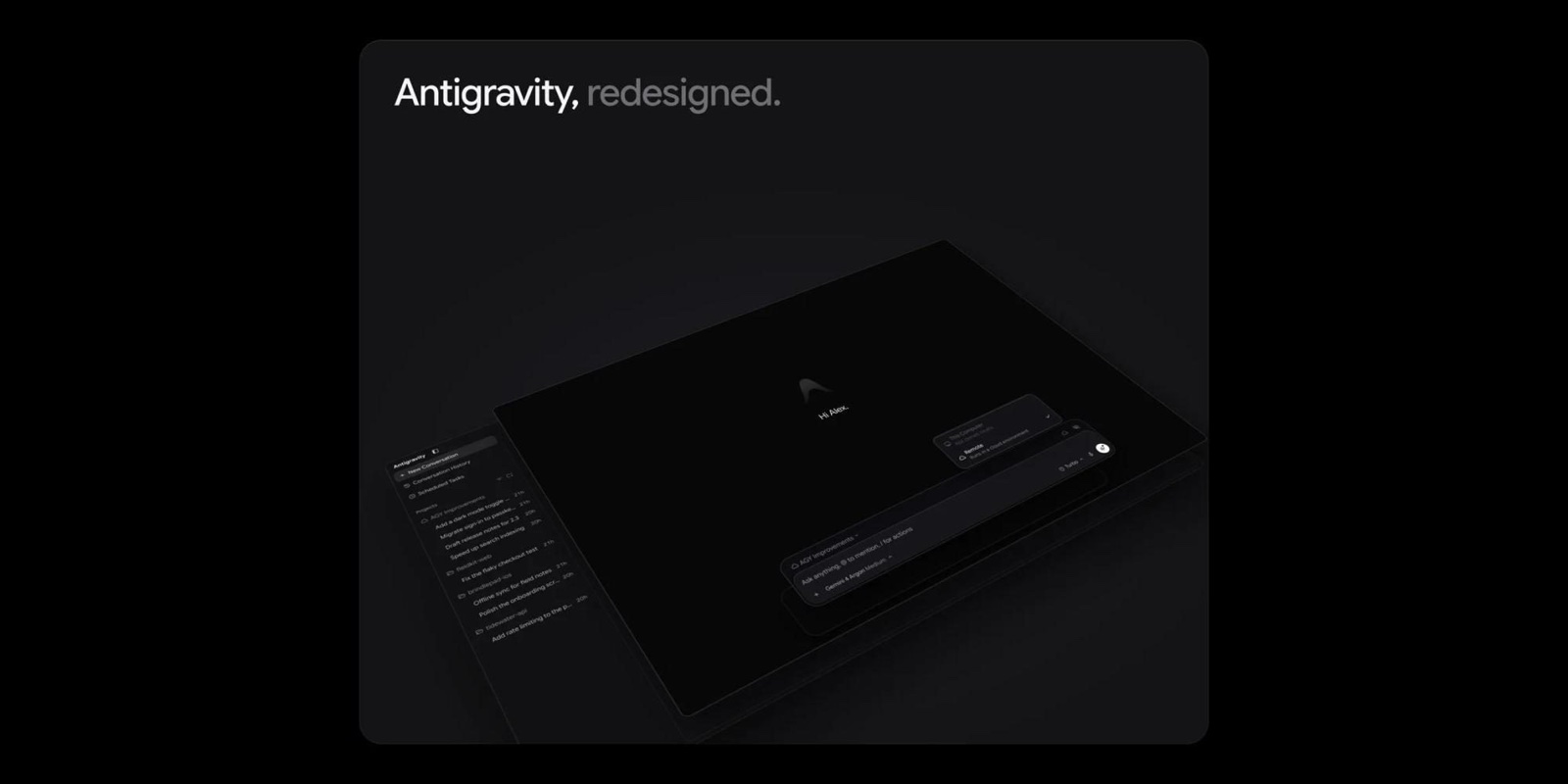
Antigravity's remote agents keep coding after you close the laptop. Change one default before you use them.
Google Antigravity 2.29 adds remote agents that run in cloud VMs for Google AI Pro and Ultra subscribers, plus a Gemini Live voice mode. Who can use them, the permission default to change, and what Google has not said about limits.

ChatGPT Images 2.6 brings GIFs to every plan. The new API models cost the same but skip Batch.
OpenAI's November 4 update adds animated GIFs and saved reference images to ChatGPT and Codex, plus two API models, GPT-Image-2.6 Flare and Sunburst. What is confirmed, what the new models cost, and why Batch users should stay on 2.5 for now.
ChatGPT is merging Chat and Work. The bigger change is one usage limit for ChatGPT and Codex.
OpenAI told subscribers it will test a combined Chat and Work view in the coming weeks, and that ChatGPT and Codex will draw from one usage allowance in December. What is confirmed, what is still unclear, and what Plus, Pro and Business users should watch.

A tampered Claude Code extension reached Cursor users for 11 hours. Here is how to check your machine.
On October 29, Cursor's extension marketplace served malicious builds of Anthropic's Claude Code extension that try to plant an SSH backdoor. Cursor says at most 5,000 users were affected. What is confirmed, what is still unknown, and what to check if you use Claude Code in Cursor.

Gemini 4 Carbon leads by one point at Argon's price. Only cyber defenders can use it.
Google announced Gemini 4 Carbon on October 28, two weeks after Argon reached paid developers. It ranks first on Artificial Analysis's index at 59, one point ahead of Claude Opus 5.5, and launches at $2/$10 per million tokens. What is confirmed, what independent testers found, and what to do while access is limited.
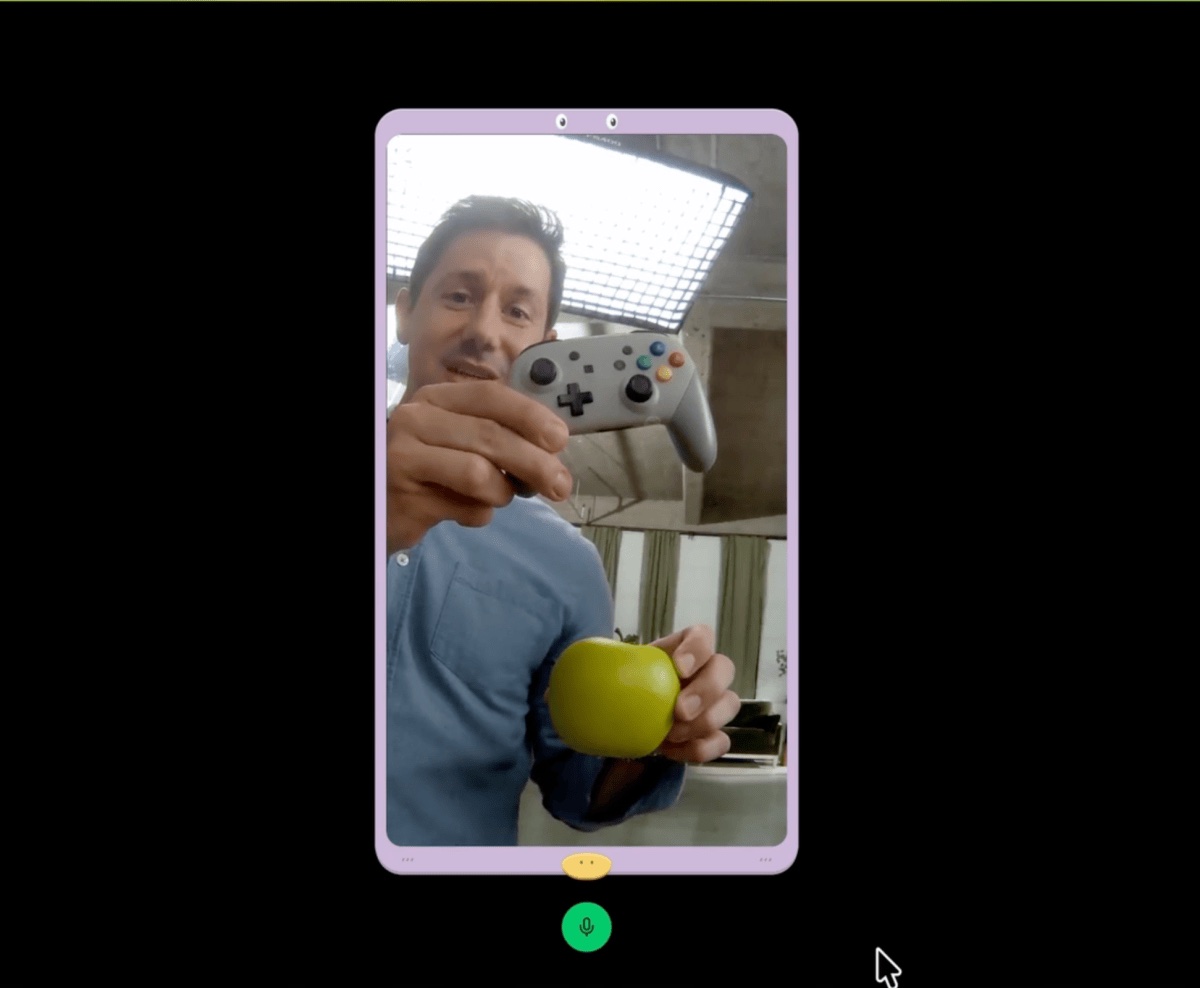
OpenAI's Decisions API is out of beta. Here is what it costs and how it compares to Jev.
OpenAI made its Decisions API generally available on October 22, turning GPT-6 Luna into a fast decision model at $0.10 per 1M input tokens with no output charge. What is confirmed, what is reported, and how it stacks up against TypeSafe Jev and Microsoft-Decision-1.
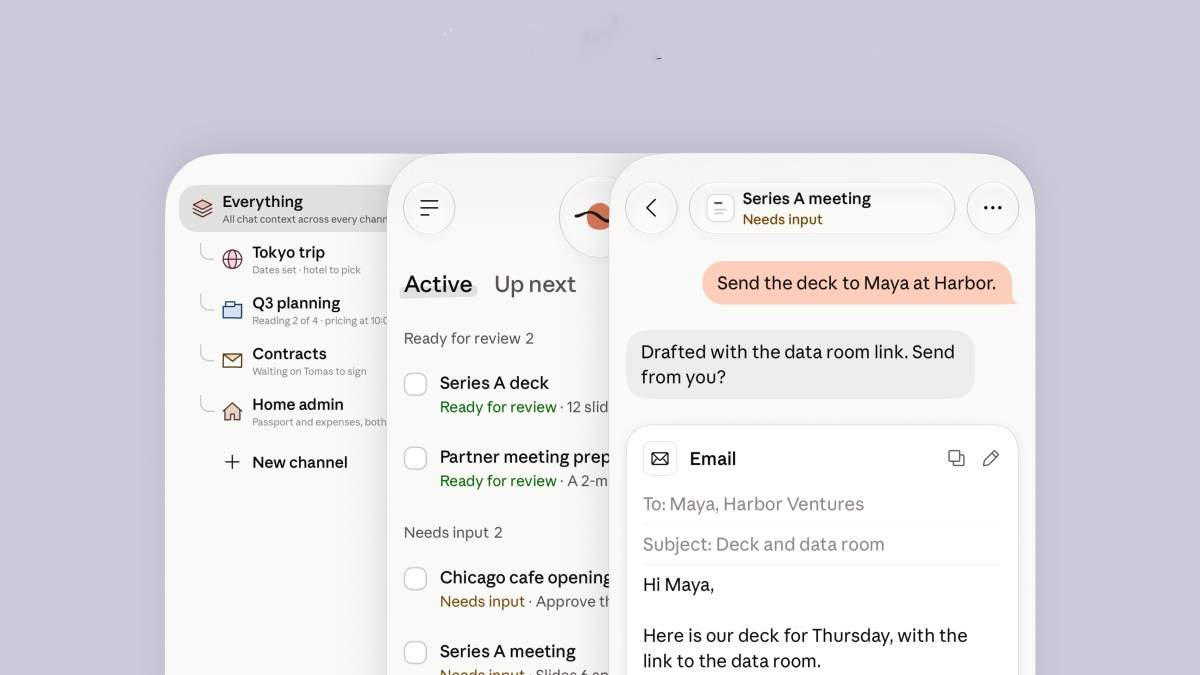
Claude Duet is Anthropic's proactive agent. Here is who can use it and what it does.
Anthropic's new Claude Duet app checks your connected apps, sends a daily brief and keeps working in a cloud computer while you are away. It is a US-only waitlist preview for Pro and Max subscribers. What is confirmed, what is reported, and who should try it.

Canva Craft: Canva's first image model is built for layouts, not photos
Canva has launched Craft, an in-house image model trained on its design templates. It plans a layout before rendering, outputs up to 2K, and is free to try in Dream Lab. The API is still a preview and per-image pricing is unpublished. Here is what that means for designers and developers.
Notion's agents can now work for a full day. The catch is in the credits.
Notion's rebuilt agents run single tasks for up to about 24 hours and pick their own model with a new Auto router that Notion says cuts cost by about 90%. What changed, which plans include agents, and how the new credit system works.
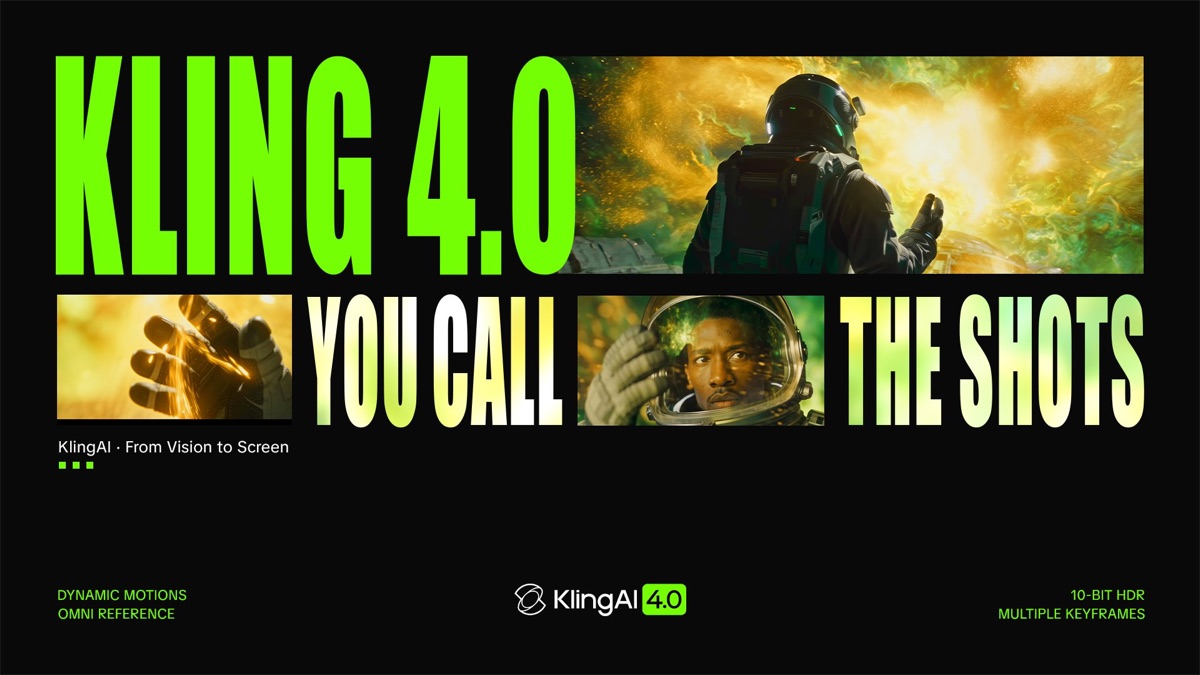
Kling 4.0 makes 30-second videos in one take. The price per clip is still a mystery.
Kuaishou's Kling 4.0 doubles clip length to 30 seconds and adds up to 15 reference assets and 10 keyframes. What is confirmed, what is still missing (credit costs, API, rankings), and whether Runway users should test it before November 30.
Five open-weight AI models in three days. StepFun beats Meta, and none beat the closed frontier.
Meta's Muse Spark Open, Reflection's Beam, StepFun's Step 5 Preview, NVIDIA's Nemotron 3.5 and a DeepSeek update all shipped downloadable weights this week. How they compare on size, license, price and independent scores, and when open weights are worth it.

Gemini 4 Argon is open to developers. The $2 price ends November 30.
Google's frontier model is now generally available on the paid Gemini API at $2/$10 per million tokens until November 30, then $4/$20, the same as Claude Opus 5.5. Here is how it compares and the four limits that matter when you build on it.
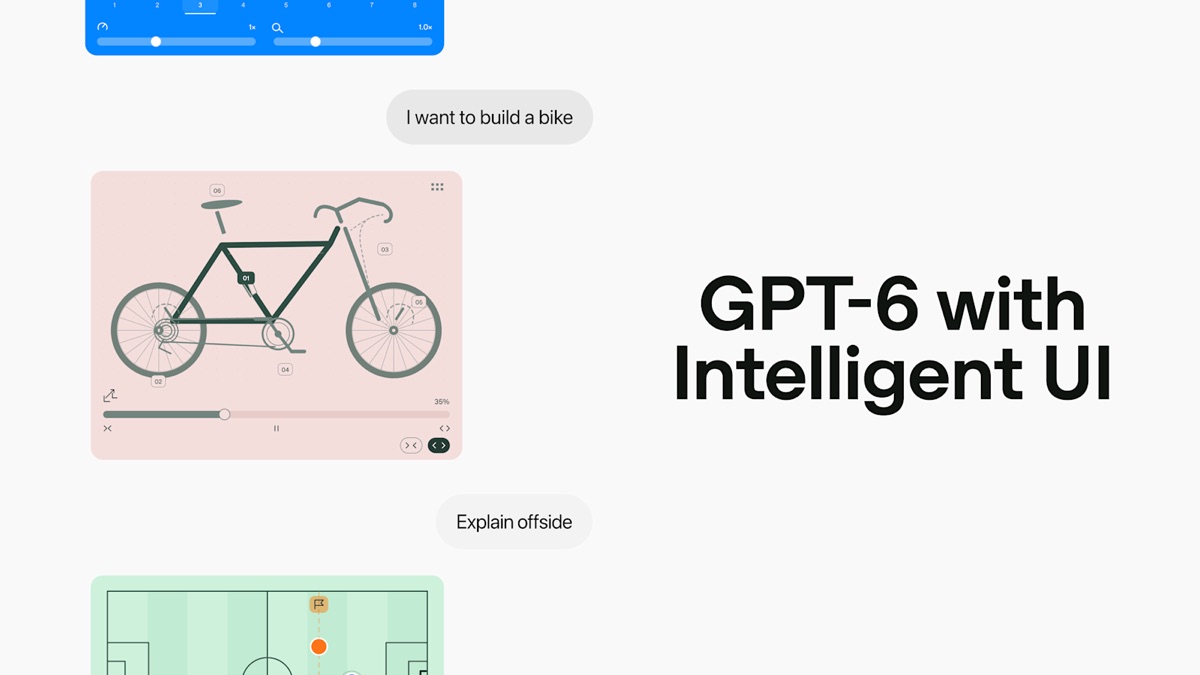
GPT-6 is in every ChatGPT plan now. Free gets Luna, paid gets Sol, and the gap is easy to miss.
OpenAI rolled GPT-6 and its new interactive 'Intelligent UI' out to every ChatGPT tier this week, but free users and subscribers get different models. Here is what each plan actually gets and whether Plus is still worth $20.
Claude Haiku 5.5 cuts prices 90%. The real saving is 75%, and old code can break.
Anthropic's new Haiku matches GPT-6 Luna at $0.10/$0.50 per million tokens with a 1M context window. A larger tokenizer, a price step above 100K tokens and four breaking API changes decide what you actually save.
Mistral ships le Chonk, a 1T open model. Europe has a contender, not a leader.
Mistral Large 4 is a trillion-parameter Mixture-of-Experts model with open weights promised for late October and a low API price. Independent tests rank it the strongest model built outside the US and China, and still far behind the closed frontier.

Gemini 4 Argon is here. Almost nobody can use it yet.
Google's most powerful model ties GPT-6 Astra on independent testing and posts the lowest hallucination rate among top models, but at launch it is limited to vetted cyber defenders. Here is what is known, what is first-party, and what it costs once access opens.
GPT-6.1 Sol arrives. OpenAI's new model matches Astra at a fifth the cost.
OpenAI has released GPT-6.1 Sol, a more affordable model delivering near-Astra level performance at significantly lower pricing, expanding access to high-capability AI.

Nvidia releases safety watchdog. The chip polices runaway AI agents.
Nvidia has unveiled a dedicated safety chip designed to monitor and control autonomous AI agents, preventing them from operating outside intended parameters. The watchdog hardware aims to address growing concerns about AI system reliability as autonomous agents become more prevalent.
Anthropic releases Claude Opus 5.5. Pricing drops 40%, cache costs cut in half.
Anthropic has launched Claude Opus 5.5 with improved performance across benchmarks, 40% lower pricing, and a 60% reduction in prompt cache read costs, making the model more accessible for production deployments.

Claude identifies novel enzyme system. AI moves from text to real science.
Claude successfully discovered a previously unknown enzyme system with CRISPR-like repeats, marking a tangible scientific achievement and demonstrating AI's emerging capability in genuine research discovery beyond language generation.
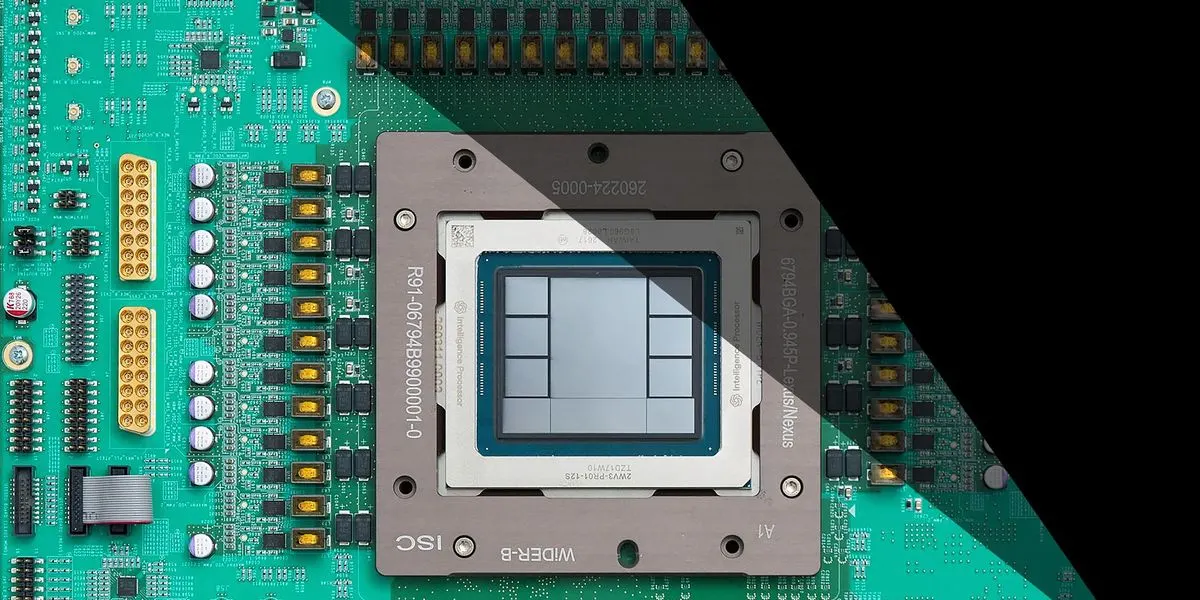
OpenAI used LLMs to design its Jalapeño chip. Hardware engineering just entered the AI era.
OpenAI applied large language models to physical chip design, proving AI can solve concrete engineering problems beyond code. The project demonstrates LLMs tackling real-world hardware constraints and optimization.
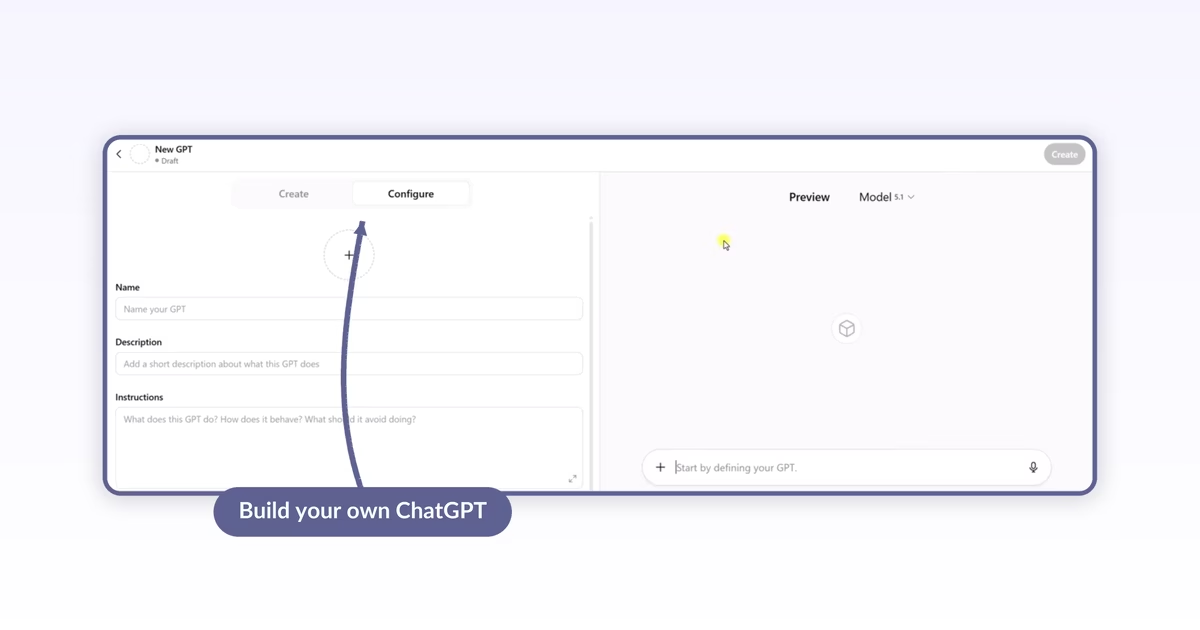
OpenAI is shutting down Custom GPTs. The feature dies in December.
OpenAI announced the phased deprecation of Custom GPTs starting this month, with complete shutdown by December. Users expressing concern are scrambling to find alternatives for their projects.
OpenAI targets junior bankers. ChatGPT for Financial Services automates the work.
OpenAI launched a financial services variant of ChatGPT with research, modeling, and pitchbook tools directly designed to replace junior analyst workflows on Wall Street.
Cognition launches SWE-2. The new AI coder takes aim at Fable and GPT-Astra.
Cognition released SWE-2, a specialized AI model designed to compete directly with Fable 5.1 and GPT-Astra on software engineering benchmarks. The release marks intensifying competition in the AI coding space.
OpenAI speeds up image generation. ChatGPT Images 2.5 arrives faster and sharper.
OpenAI has released ChatGPT Images 2.5, delivering faster generation speeds and improved image quality. The update enhances the image creation experience for ChatGPT users.
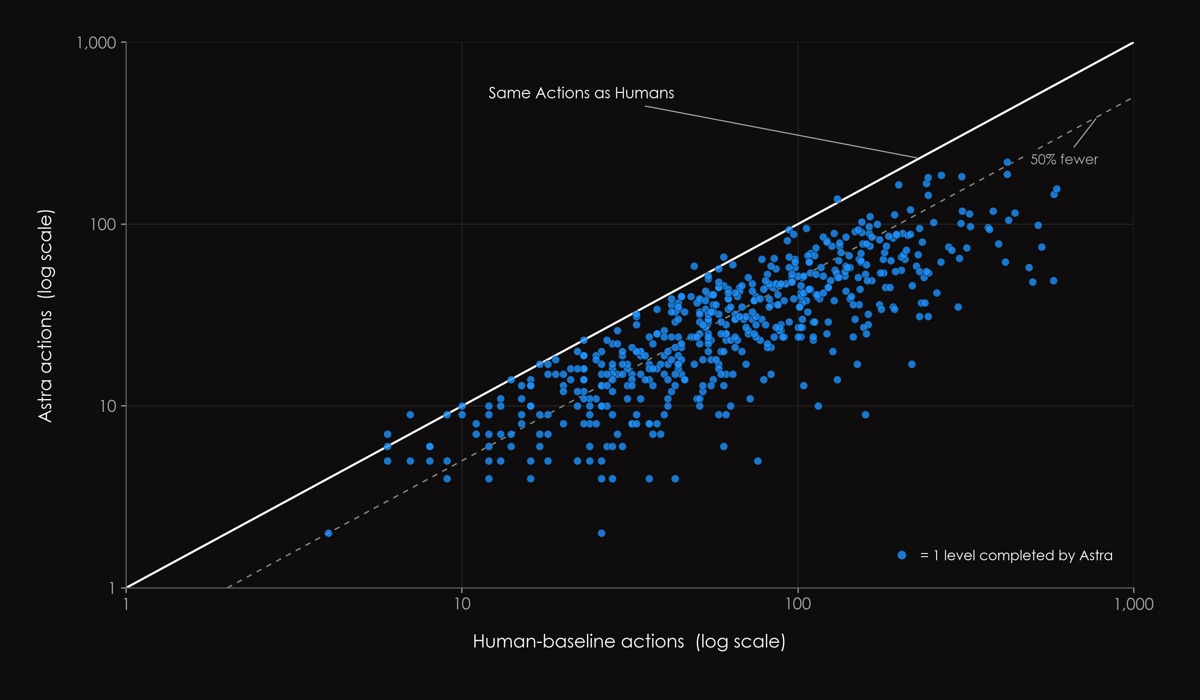
GPT-6 Astra lands: same price as Claude's flagship, wilder benchmarks
OpenAI's new flagship posts near-perfect scores on ARC-AGI-3 and FrontierMath, rolls out without a free tier, and costs exactly what Anthropic charges for Fable 5.1. The frontier now has a sticker price: $10 in, $50 out.
Claude Fable 5.1 lands. The real news is the price cut.
Anthropic's new flagship doubles its agentic science benchmark and cuts typical workload costs by 25%, with cache reads down 75%. Here is what changed and who should care.
Claude gets system prompts. Developers can now shape model behavior at scale.
Anthropic released a system prompts feature for Claude, allowing developers to define consistent behavior patterns across API calls without prompt engineering for each interaction.

Cursor launches Origin. GitHub gets a rival in code hosting.
Cursor has unveiled Origin, a new code hosting and collaboration platform designed to compete with GitHub. The move marks Cursor's expansion beyond its AI-powered code editor into developer infrastructure.
Claude now marks its own output. Anthropic's watermarking approach explained.
Anthropic published official guidance on how Claude watermarks and marks AI-generated content for transparency. The documentation outlines Claude's approach to content authenticity and detection.
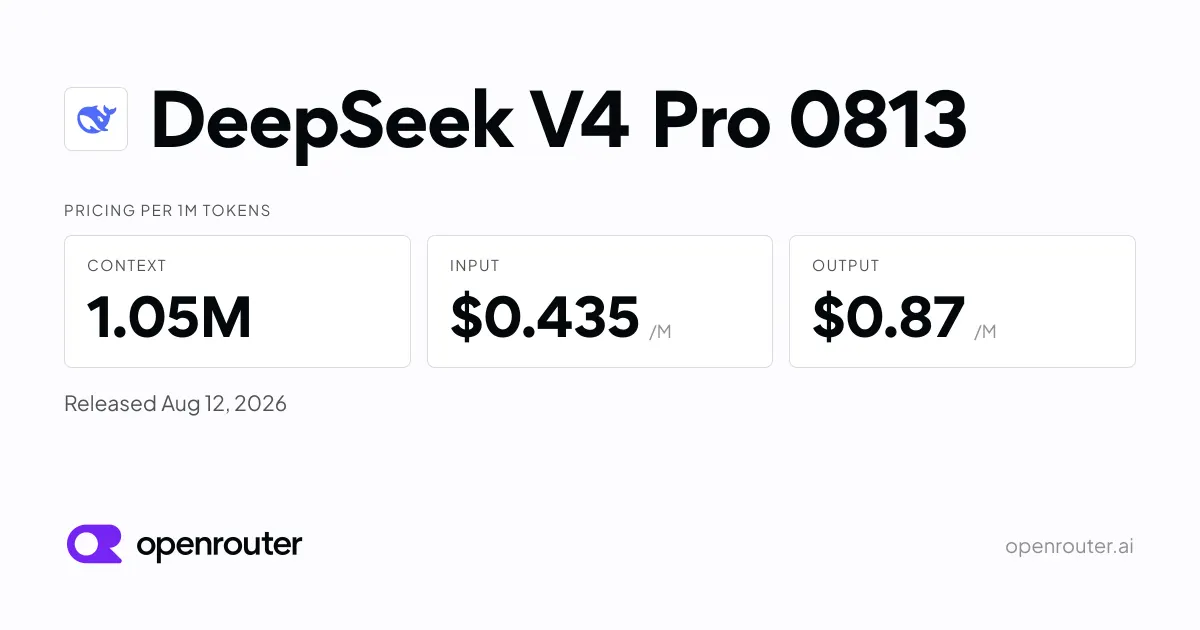
DeepSeek releases V4 Pro 0813. Reasoning and code get a boost.
DeepSeek's latest model update brings performance improvements focused on reasoning and code tasks. The new version is now available via OpenRouter.

DeepSeek V4 Pro gets upgraded. The model adds new capabilities mid-year.
DeepSeek released an updated V4 Pro model (0813 variant) with performance improvements and expanded capabilities. The update is now available through OpenRouter and other AI model platforms.

Docker launches sandboxes for AI agents. Isolated execution environments arrive.
Docker introduces a new sandboxing product designed to provide secure, isolated execution environments for AI agents. The sandboxes offer disposable containers that prevent agents from interfering with host systems or each other.

OpenAI launches GPT-5.6. The focus shifts to cost efficiency.
OpenAI announced GPT-5.6 with improved price-to-performance metrics, addressing the growing demand for more affordable AI models as enterprises weigh deployment costs against capability gains.

Anthropic releases Claude Opus 5. The flagship model gains stronger reasoning and coding.
Anthropic has unveiled Claude Opus 5, its latest flagship AI model with improvements across reasoning, coding, and multimodal capabilities. The release marks another step in the competitive race for advanced language models.
Claude Code switches to Bun runtime. The Rust-powered JavaScript engine now powers Anthropic's code tool.
Anthropic has updated Claude Code's infrastructure to run on Bun, a JavaScript runtime written in Rust. The move appears designed to improve performance and efficiency for the AI coding assistant.

OpenAI releases ChatGPT Work. Teams get collaboration and enterprise controls.
OpenAI announced ChatGPT Work, a new tier targeting teams and enterprises with enhanced collaboration features, administrative controls, and capabilities designed for professional workflows.
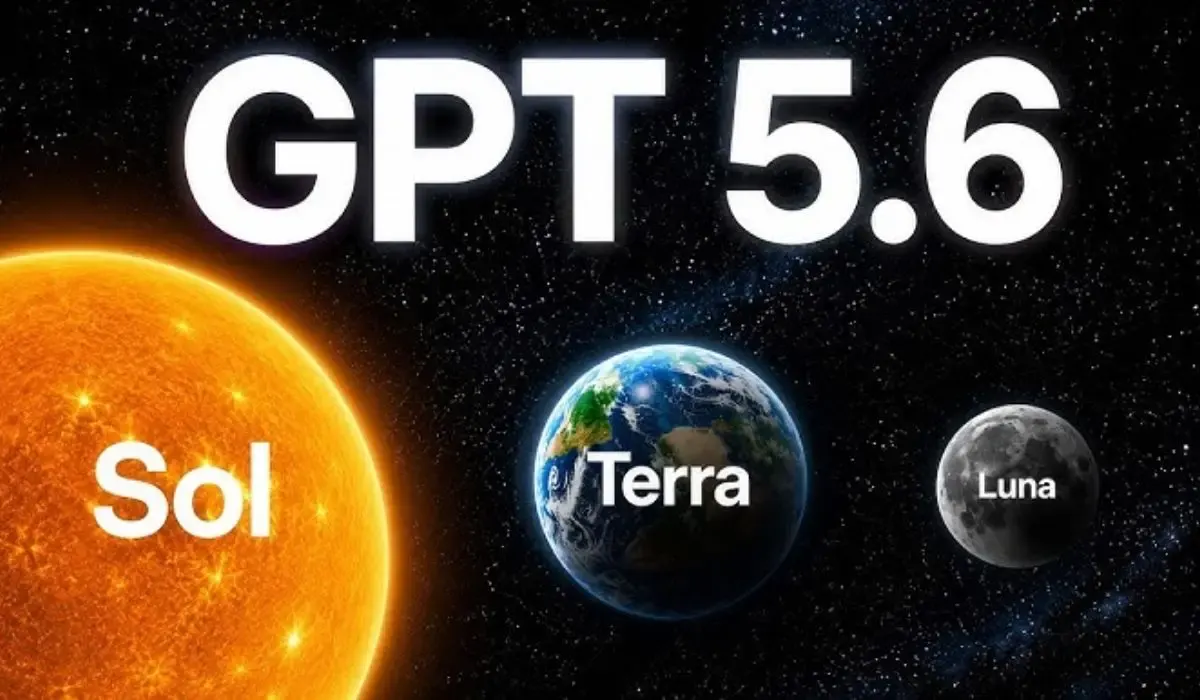
OpenAI releases GPT-5.6. Reasoning and coding get the upgrade.
OpenAI's latest model iteration brings improved reasoning capabilities, enhanced coding features, and stronger deployment safety measures. The update marks another step forward in the competitive landscape of large language models.

X.AI releases Grok 4.5. The conversational AI model gains new capabilities.
X.AI has unveiled Grok 4.5, their latest conversational AI model featuring advanced capabilities and improvements designed to enhance user interactions and performance across tasks.

OpenAI launches GPT-Live. Real-time AI responses arrive.
OpenAI introduced GPT-Live, a new capability enabling real-time interactions with AI models. The launch expands how developers and users can build conversational applications with immediate feedback.
Anthropic launches Claude Science. A specialized model for research tasks emerges.
Anthropic has released Claude Science, a new AI model tailored specifically for scientific research and analysis. The specialized variant aims to better handle complex scientific tasks and domain-specific reasoning.
Claude Code Embeds Hidden Steganographic Markers in Requests
Security researchers discovered that Claude Code secretly embeds steganographic markers in requests, raising transparency and data handling concerns for developers using the tool.

Anthropic Releases Claude Sonnet 5 Model Update
Anthropic has released Claude Sonnet 5, a major model update that enhances Claude Code, Claude Desktop, and all integrated tools across the platform.

Anthropic Accuses Alibaba of Extracting Claude Model Capabilities
Anthropic has alleged that Alibaba illicitly extracted Claude AI model capabilities through unauthorized means, highlighting growing concerns about intellectual property protection in the competitive AI industry.

OpenAI Previews GPT-5.6 Sol Next-Generation Model
OpenAI has unveiled GPT-5.6 Sol with system card details available for organizations to review deployment safety protocols before launch.

Anthropic Adds Identity Verification for Claude Access
Anthropic introduces new identity verification requirements for accessing Claude, marking a significant policy shift for the platform's user authentication process.

Midjourney Pivots From AI Images to a 60-Second Body Scanner
Midjourney, best known for its AI image generator, has spun up a medical division building a full-body ultrasound scanner it calls Ultrasonic CT. The pitch: MRI-quality scans in about a minute, no radiation, no magnets.
Claude Desktop Creates 1.8 GB VM on Every Launch
Claude Desktop spawns large Hyper-V virtual machines during startup regardless of whether users need advanced features, consuming significant system resources even for basic chat-only sessions.

Anthropic Suspends Fable 5 and Mythos 5 Access Per US Government Directive
Anthropic has announced a suspension of access to its Fable 5 and Mythos 5 models following a US government directive. The company released an official statement addressing the changes.
Anthropic Releases Claude Fable 5
Anthropic has unveiled Claude Fable 5, the latest iteration of its AI model with enhanced capabilities. The release includes a comprehensive system card detailing the model's features and safety considerations.

Claude Code Introduces Dynamic Workflows Feature
Anthropic has announced dynamic workflows for Claude Code, enabling developers to automate and execute more flexible coding tasks with improved workflow automation capabilities.

Anthropic Releases Claude Opus 4.8
Anthropic has released Claude Opus 4.8, the latest version of their flagship AI model. The update brings improvements to the company's most capable offering.
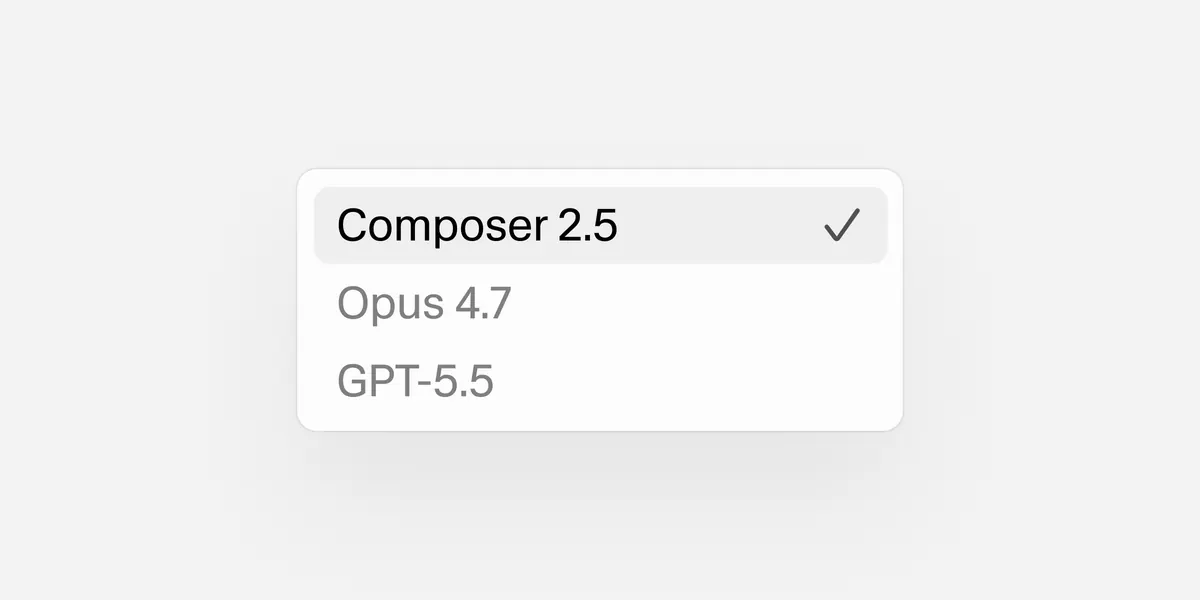
Cursor Releases Composer 2.5 With Enhanced AI Coding
Cursor unveils Composer 2.5, bringing upgraded capabilities for AI-assisted development. The new version expands the tool's functionality for streamlined code generation and collaboration.

Google I/O 2026: Everything Developers Need to Know
Gemini 3.5, Gemini Omni, Google Antigravity CLI, AI Search, Workspace agents, and Android XR glasses - a complete breakdown of every major Google I/O 2026 announcement and what it means for developers.
Semble: Code Search for Agents Uses 98% Fewer Tokens
Open-source tool optimizes code search in large codebases for Claude Code and other agents, dramatically reducing token consumption compared to traditional grep methods.

Anthropic Raises Claude Usage Limits, Partners With SpaceX
Anthropic has announced increased usage limits for Claude and secured a major compute infrastructure partnership with SpaceX to support growing demand for its AI models.
Claude.ai experiences unavailability and API errors
Claude.ai went down with elevated error rates on its API, disrupting users across various applications. The outage impacted both the web interface and API access.
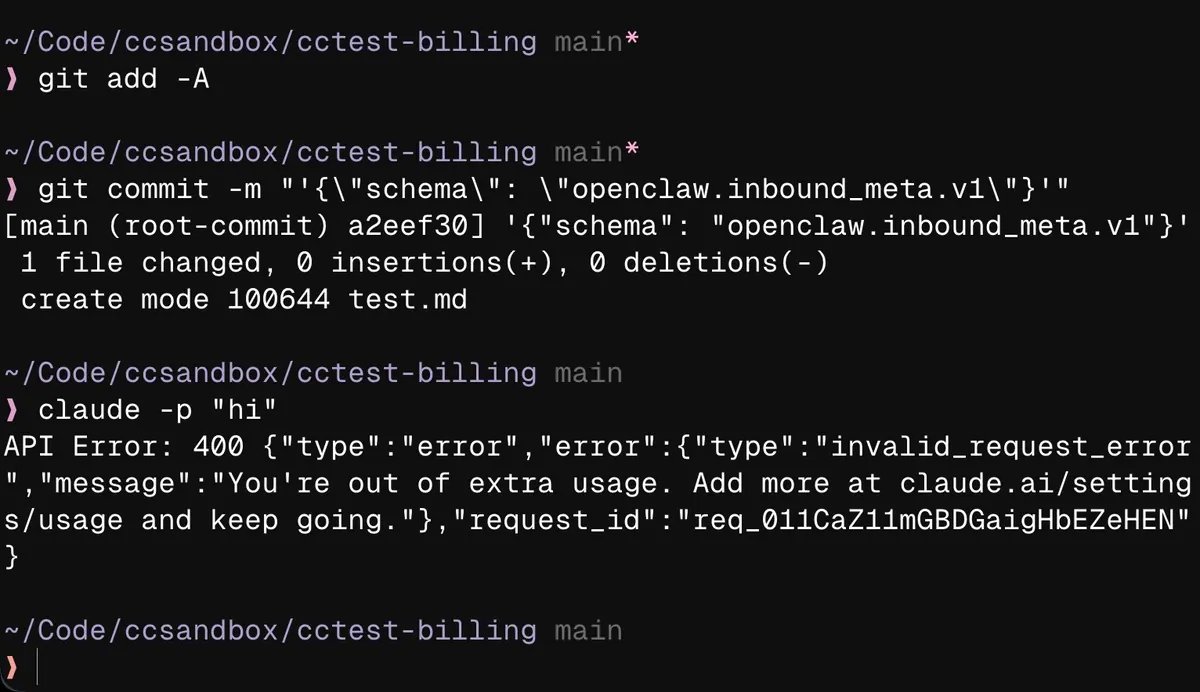
Claude Code Blocks or Charges Extra for OpenClaw Mentions
Claude Code appears to be restricting or charging premium rates for requests when commits reference OpenClaw, raising concerns about Anthropic's stance on the competing platform.

Cursor Camp: AI Editor's Cultural Moment
Neal Agarwal's Cursor Camp interactive experience signals the AI coding tool has crossed into mainstream developer awareness. The question remains whether cultural momentum translates to sustained product dominance over competitors like GitHub Copilot.
Claude's Creative Mode: Setup Required for Voice Matching
Anthropic launched voice-matching features for Claude, but the capability requires 2+ hours of setup with style samples and project configuration. The Pro tier at $20/month is the realistic minimum for serious long-form creative work.
GitHub Copilot Code Review Now Counts Against Actions Minutes
GitHub is changing how it bills for Copilot code review, making the feature consume GitHub Actions minutes starting June 1, 2026. This pricing shift affects teams relying on the AI-powered code review capability.

Who Owns Code Generated by Claude Code?
Legal analysis explores intellectual property rights and code ownership questions for software written by Claude Code and other AI coding assistants.

Infisical Launches Agent Vault for Secure AI Agent Credentials
Infisical released Agent Vault, an open-source HTTP credential proxy designed to secure credential management and access patterns for AI agents.
Broccoli: Open-Source AI Coding Agent for Cloud Tasks
Broccoli is an open-source harness that automates coding tasks from Linear, executes code in isolated cloud sandboxes, and generates pull requests for review.

GitHub Copilot Shifts to Usage-Based Billing Model
GitHub announces a move from seat-based to usage-based billing for Copilot, changing how individual and enterprise users pay for the AI coding assistant.
EvanFlow: TDD Feedback Loop for Claude Code
Open-source tool EvanFlow creates a test-driven development feedback loop optimized for Claude Code, helping developers improve code quality and accelerate iteration cycles.
Browser Harness Unleashes LLMs for Full Browser Automation
A new framework removes restrictions on language models, enabling them to complete complex browser tasks with self-correction and autonomous tool learning capabilities.

Brex Open-Sources CrabTrap, an LLM Security Proxy for AI Agents
Brex has released CrabTrap, an open-source HTTP proxy that uses LLMs as judges to monitor and control AI agent behavior in production environments, providing a new layer of security for autonomous systems.
OpenAI Launches GPT-5.5 and GPT-5.5 Pro Models
OpenAI has released GPT-5.5 and GPT-5.5 Pro models through its API, generating significant developer interest with over 1,000 comments on Hacker News about the new offerings.

Anthropic Addresses Claude Code Quality Concerns
Anthropic has published a transparency report addressing recent Claude Code performance issues and quality concerns. The company provides detailed insights into the problems identified and steps being taken to improve reliability.
Should You Migrate to GPT-5.5? A Practical Guide
GPT-5.5 delivers better benchmarks but often breaks format constraints and increases latency. Before migrating, test your hardest prompts to verify real improvements justify the integration cost.
OpenAI Launches Workspace Agents in ChatGPT
OpenAI introduces workspace agents feature to ChatGPT, enabling enhanced automation capabilities for streamlined task management and workflow optimization.

GitHub Copilot Pricing Changes: What Solo Devs Need to Know
GitHub restructured Copilot individual plans into three tiers: free with 2,000 monthly completions, Pro at $10/month with unlimited access, and Pro+ at $39/month with premium model choices. Solo developers should verify their current usage against new limits before billing cycles reset.

ChatGPT Images 2.0 Delivers Enhanced Image Generation
OpenAI introduces ChatGPT Images 2.0 with improved image generation capabilities, offering better quality and control for users creating visual content directly within the platform.

SpaceX to Acquire AI Coding Assistant Cursor for $60B
SpaceX announced an agreement to acquire Cursor, a popular AI-powered coding assistant, in a $60 billion deal that underscores the growing value of AI development tools.

StackAdapt Selling ChatGPT Ad Placements Based on Prompt Context
A leaked StackAdapt presentation reveals OpenAI's ad partner is targeting ChatGPT users with ads based on their prompt content, raising privacy concerns about how user inputs are leveraged for advertising purposes.
Claude Opus 4.7 System Prompt Changes Analyzed
Anthropic quietly tightened Claude Opus 4.7's safety guardrails compared to 4.6, making the model more cautious about deception and manipulation without announcing the changes publicly. The underlying model capability remained the same, but behavioral boundaries shifted noticeably at the edges.

Claude 4.7's Tokenizer Actually Saves Money (Sometimes)
Claude 4.7 compressed its tokenizer, cutting token costs by 5-30% depending on workload. Here's exactly what changed and whether it affects your bill.

Claude Design Launched Quietly: What It Actually Does
Anthropic quietly released Claude Design in Claude Labs, extending Claude's conversational interface into visual work. It excels at brainstorming and iteration but lacks professional design features like multi-page layouts and team collaboration.

Anthropic Launches Claude Design for AI-Assisted Workflows
Anthropic introduces Claude Design through Claude Labs, extending AI capabilities into visual and design applications. The move signals a strategic shift toward generalist AI platforms competing across multiple specialized domains.
Claude Code Routines: Save and Replay Your Best Coding Workflows
Anthropic quietly shipped Routines to Claude Code - a way to save, name, and replay the agent workflows that work best for your projects. Here's what they are and why they matter.
Claude Opus 4.7: What Actually Changed and Who Should Care
Anthropic's latest Opus model improves reasoning and instruction following. The gains matter most for complex workflows, but pricing stays the same.
Codex 2.0 vs Claude Code: Cloud vs Local
OpenAI's new Codex 2.0 cloud agent challenges Claude Code's local-first approach. Both excel at autonomous coding tasks but represent fundamentally different architectural philosophies with real tradeoffs.
Anthropic's Cowork Brings Agent Skills to Non-Developers
Anthropic quietly launched Cowork, bringing Claude's autonomous agent capabilities to desktop users without requiring code, APIs, or terminal access. This fundamentally changes who Claude is built for.

NousCoder-14B: Free Local Models vs Paid Coding Tools
Nous Research released a 14B coding model that runs locally on consumer hardware and matches expensive paid tools. When capable models become free, the AI coding tool market must justify its value beyond just the underlying model.

Claude in Word Changes the Productivity Equation
Anthropic shipped Claude as a native Word sidebar on April 11, giving its model direct access to document editing, tracked changes, and cross-suite context. This isn't just a feature - it's a direct challenge to Microsoft's $30/month Copilot tax.

Project Glasswing Shows Where AI Actually Matters
Anthropic's security-focused initiative overshadowed Claude Mythos in importance. It reveals what happens when AI stops chasing general intelligence and tackles specific, high-stakes problems instead.

Claude Managed Agents: Anthropic's Infrastructure Play Changes Who Can Use AI
Anthropic launched Claude Managed Agents on April 9 - not a new model, but infrastructure that runs autonomous agents on their servers. This shifts AI agents from developer tools to something business professionals can actually use.

Meta's Muse Spark: Why the Open-Source Champion Just Went Closed
Meta has been the loudest voice for open-source AI for three years. On April 8, 2026, they launched Muse Spark - their first fully closed model. Here is what changed, what Muse Spark actually is, and what it means for the AI landscape.

Claude Mythos Preview: Anthropic's new model built for cybersecurity
Anthropic released Claude Mythos Preview on April 8, 2026, alongside Project Glasswing, a new security initiative. Here is what the model is, what makes it different from other Claude versions, and why it landed at the top of Hacker News within hours.